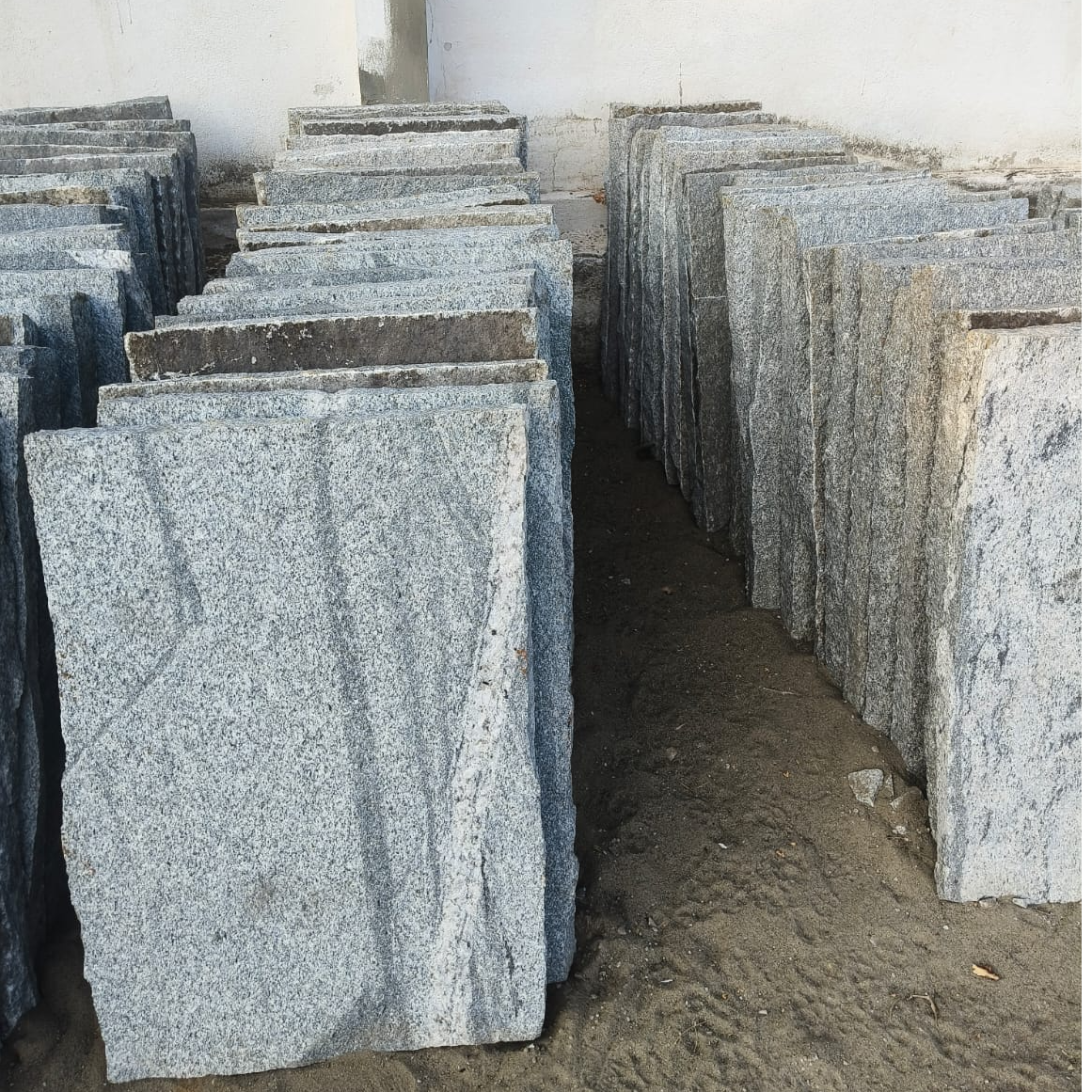
Cloth Washing Stone 2*1.5
A cloth washing stone is a traditional and practical laundry tool that has been used for generations in many parts of the world, especially in rural and semi-urban areas. It is a simple yet effective device designed to assist in manual washing of clothes, particularly when washing machines are unavailable or impractical. Despite its basic appearance, the cloth washing stone plays an important role in maintaining cleanliness and hygiene in everyday life.
What Is a Cloth Washing Stone
A cloth washing stone is typically made from hard, durable natural stone or manufactured abrasive material. The surface of the stone is slightly rough, which helps create friction when fabric is rubbed against it. This friction is essential for loosening dirt, stains, grease, and other impurities embedded in clothing fibers. The stone is usually flat or slightly curved and may be installed permanently near a water source or used as a portable tool.
Materials and Construction
Traditionally, cloth washing stones are made from granite, pumice, or other coarse stones that can withstand repeated use and exposure to water. Modern versions may be shaped more evenly and sometimes mounted on a small base or stand for stability. The stone must be hard enough to resist erosion but not so sharp that it damages fabric. The balance between abrasiveness and smoothness is what makes a good cloth washing stone effective and safe for clothing.
How It Is Used
Using a cloth washing stone is simple and straightforward. Clothes are first soaked in water, often mixed with soap or detergent. The wet fabric is then rubbed against the stone’s surface using steady hand movements. This action helps break down stubborn stains such as mud, oil, sweat marks, or food spills. After scrubbing, the clothes are rinsed thoroughly with clean water and wrung out to remove excess moisture. This process may be repeated until the desired level of cleanliness is achieved.
Effectiveness in Stain Removal
One of the main advantages of a cloth washing stone is its excellent stain-removal capability. Unlike gentle hand rubbing alone, the stone’s rough surface provides extra mechanical action, making it easier to clean heavily soiled clothes. It is especially useful for workwear, school uniforms, towels, bed linens, and garments exposed to outdoor dirt. Even thick fabrics like cotton, denim, and jute respond well to washing with a stone.
Durability and Longevity
Cloth washing stones are known for their long lifespan. Because they are made from solid stone or highly durable material, they can last for many years with minimal wear. They do not break easily, require no replacement parts, and function reliably over time. This durability makes them a cost-effective option for households seeking long-term utility with minimal expense.
Environmental Benefits
From an environmental perspective, cloth washing stones are a sustainable and eco-friendly laundry solution. They do not consume electricity, produce emissions, or rely on complex machinery. When used with natural or mild soaps, they help reduce chemical discharge into water systems. Their long life also means less waste compared to disposable or electronic washing aids.
Cultural and Traditional Importance
Cloth washing stones hold cultural significance in many communities. They have been a part of daily household routines for decades and are often associated with traditional lifestyles and practices. In many regions, washing clothes on stones near wells, rivers, or communal washing areas has also served as a social activity, bringing people together and strengthening community bonds.
Practical Advantages
Some key benefits of cloth washing stones include:
-
Easy to use with no technical skills required
-
No dependence on electricity or fuel
-
Effective for heavy and stubborn stains
-
Low cost and widely accessible
-
Suitable for both indoor and outdoor use
Because of these advantages, cloth washing stones remain relevant even in modern times, especially in areas with limited infrastructure.
Limitations
While cloth washing stones are useful, they also have certain limitations. Washing clothes manually requires physical effort and time, which may not be suitable for everyone. Improper use or excessive force can cause fabric wear over time, particularly for delicate garments like silk or wool. For this reason, cloth washing stones are best used for sturdy fabrics rather than fine or sensitive clothing.
Modern Relevance
Even with the widespread availability of washing machines, cloth washing stones continue to be used as a supplementary cleaning tool. Many households use them for pre-washing heavily stained clothes before machine washing. They are also commonly used in outdoor settings, construction sites, hostels, and temporary living arrangements where machines are not practical.
Conclusion
In summary, a cloth washing stone is a simple, durable, and effective tool for manual laundry. Its rough yet controlled surface allows efficient removal of dirt and stains while remaining economical and environmentally friendly. Rooted in tradition but still relevant today, the cloth washing stone represents a practical solution that combines simplicity, sustainability, and functionality. Whether used as a primary washing method or as a supporting tool, it continues to serve as a reliable aid in maintaining clean and hygienic clothing.
- CATEGORY: Precast Products
- SUB CATEGORY: Cloth Washing Stone